
Work
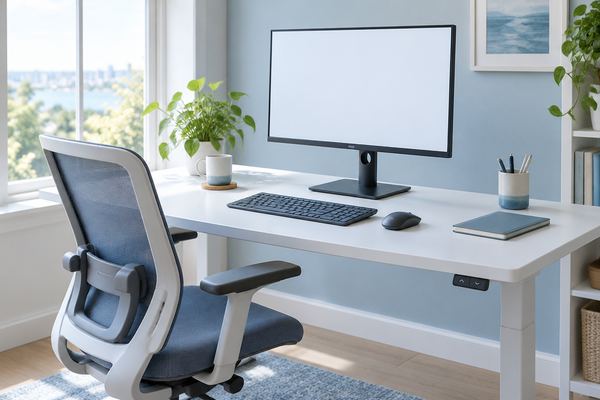
Neck pain and desk work: what EU rules say about screen work
The EU directive on screen work and EU-OSHA advice on sitting: breaks, eye tests and a proper workstation.
Work
Back, neck, shoulders, wrists. According to the European Agency for Safety and Health at Work (EU-OSHA), these problems are the most common work-related health issue in the European Union.

In a 2019 report, EU-OSHA says musculoskeletal disorders remain the most common work-related health problem in the EU. In 2015, 58% of workers reported such complaints:
One in five people in the EU had a chronic back or neck problem in the past year. 53% of workers with these disorders had time off work in the past year, compared with 32% of workers with no health problem.
Most build up slowly from a mix of factors: physical load such as lifting and repetitive movements, how work is organised and stress, plus individual factors.
EU-OSHA recommends:
EU-OSHA's Healthy Workplaces Lighten the Load campaign (2020-22) ran in every EU Member State, covering topics such as sedentary work, telework and chronic conditions.
Do not let the pain become long-term. If your job causes pain that keeps coming back, a physiotherapist can find what is causing it, give you exercises and suggest changes to how you work.
See how we treat it at the clinic: Back pain and sciatica
This article gives general information and does not replace an examination by a doctor or physiotherapist. If you have symptoms, talk to your doctor or book an assessment.
Work
The EU directive on screen work and EU-OSHA advice on sitting: breaks, eye tests and a proper workstation.

Rehabilitation
2.4 billion people could benefit from rehabilitation. What it is, when it should start and who provides it, according to the World Health Organization.
Muscles and joints
1.71 billion people live with musculoskeletal conditions. What they are, why they matter to everyone and what helps, according to the WHO.