

Pain
Chronic pain: what it is and why exercise helps
Pain does not always mean damage. What the International Association for the Study of Pain (IASP) says about chronic pain and exercise.
Muscles and joints
Back pain, neck pain, arthritis, fractures, tendon problems. These are all musculoskeletal conditions, and the WHO says they are the leading cause of disability in the world.
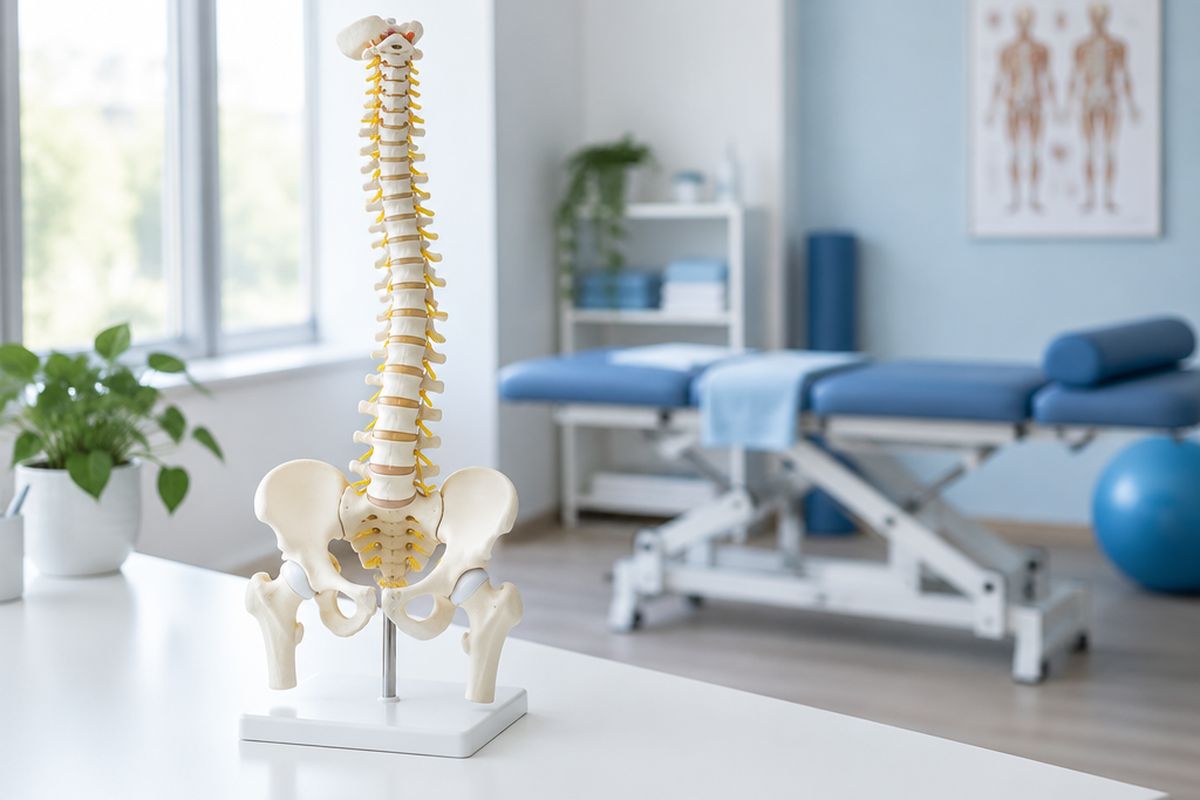
They are problems with muscles, bones, joints, tendons and ligaments. They include back and neck pain, osteoarthritis, rheumatoid arthritis, osteoporosis and fractures, and injuries.
According to the WHO, about 1.71 billion people worldwide live with musculoskeletal conditions, which are the leading contributor to disability. Low back pain alone affected 619 million people in 2020.
They are not only a problem of older age. They affect people of every age and often keep them away from work and the things they enjoy.
For low back pain, the most common of them, the WHO suggests:
Painkillers should not be the first-line treatment. Rehabilitation matters at every stage, and the WHO wants it to be available to everyone with a musculoskeletal condition, at any age.
If pain is not improving within a few weeks or is getting in the way of daily life, an assessment by a physiotherapist can help stop it becoming long-term.
This article gives general information and does not replace an examination by a doctor or physiotherapist. If you have symptoms, talk to your doctor or book an assessment.
Pain
Pain does not always mean damage. What the International Association for the Study of Pain (IASP) says about chronic pain and exercise.

GeSY
How physiotherapy works under GeSY in Cyprus: who refers you, how many sessions each diagnosis covers and the co-payment, from official HIO documents.
Pregnancy
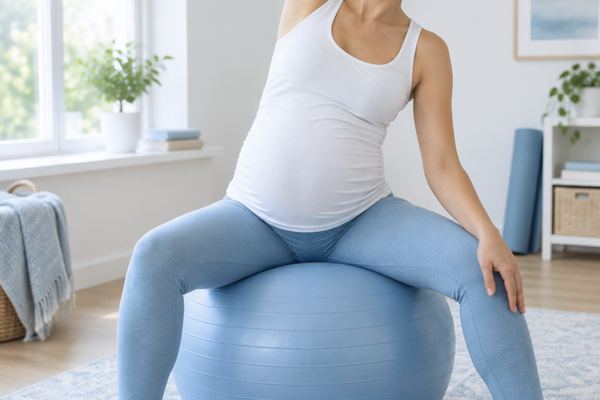
150 minutes a week, pelvic floor exercises and what to avoid. The World Health Organization's guidelines on exercise during pregnancy and after birth.