

Back pain
Back pain: 7 myths and what is actually true
Do I need a scan? Should I rest in bed? Has my disc slipped? The most common myths about low back pain, based on World Physiotherapy.
Back pain
In December 2023 the WHO published its first guideline on chronic low back pain. Here is what it suggests, what it advises against using routinely, and what that means for you.

According to the WHO, low back pain is the single leading cause of disability worldwide. In 2020 it affected 619 million people, about 1 in 13, and the number is expected to reach 843 million by 2050.
In about 90% of cases there is no specific disease or injury that explains the pain. This is called non-specific low back pain.
It is back pain that has lasted more than 3 months and is not caused by another condition. The WHO guideline covers this pain in adults and older people. It does not cover recent back pain or surgery.
The WHO suggests these may be offered:
Most recommendations rest on low-certainty evidence. That is why the WHO talks about options that may be offered depending on the person, rather than one treatment that works for everyone.
The WHO advises against routinely using traction, therapeutic ultrasound, TENS, back belts and braces, opioid painkillers, muscle relaxants and several other medicines for chronic low back pain.
This does not mean they are dangerous for everyone. It means that, on current evidence, they should not be the main treatment.
The WHO says painkillers should not be the first-line treatment and that rehabilitation matters at every stage. It helps to stay active, keep a healthy weight, not smoke, sleep well, and keep up work and social life as much as you can.
In physiotherapy, exercise and education are the foundation. Hands-on techniques can help you move more comfortably so you can do your exercises.
See how we treat it at the clinic: Back pain and sciatica
This article gives general information and does not replace an examination by a doctor or physiotherapist. If you have symptoms, talk to your doctor or book an assessment.
Back pain
Do I need a scan? Should I rest in bed? Has my disc slipped? The most common myths about low back pain, based on World Physiotherapy.
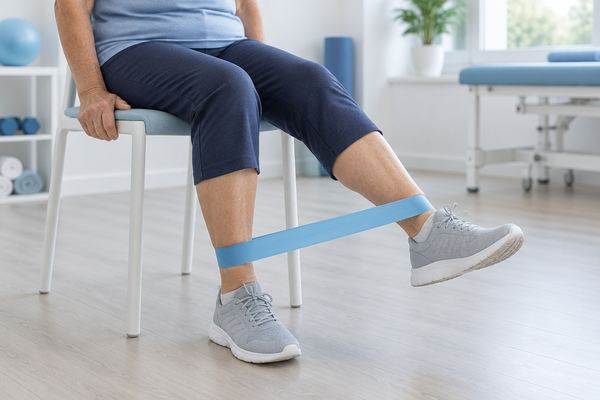
Joints
Osteoarthritis affects 528 million people. What the WHO and World Physiotherapy say about exercise, weight and the wear-and-tear myths.
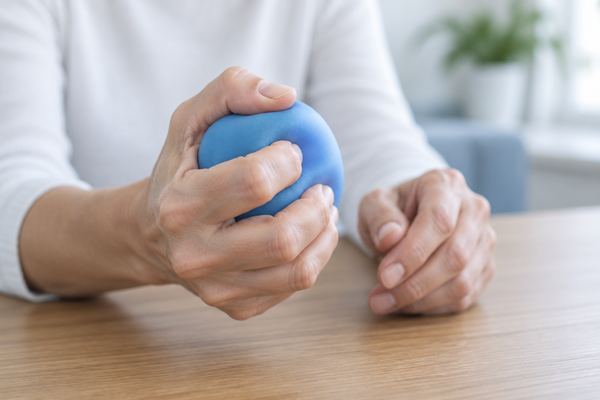
Joints
Exercise is safe and key in rheumatoid arthritis and axial spondyloarthritis. What World Physiotherapy and the WHO say.