

Older age
Falls in older adults: how to prevent them
Falls are the second leading cause of injury deaths. What the WHO and World Physiotherapy say about balance and strength exercise and home safety.
Joints
Rheumatoid arthritis and axial spondyloarthritis are inflammatory conditions managed by a rheumatologist. Exercise and physiotherapy still play an important part alongside medication.
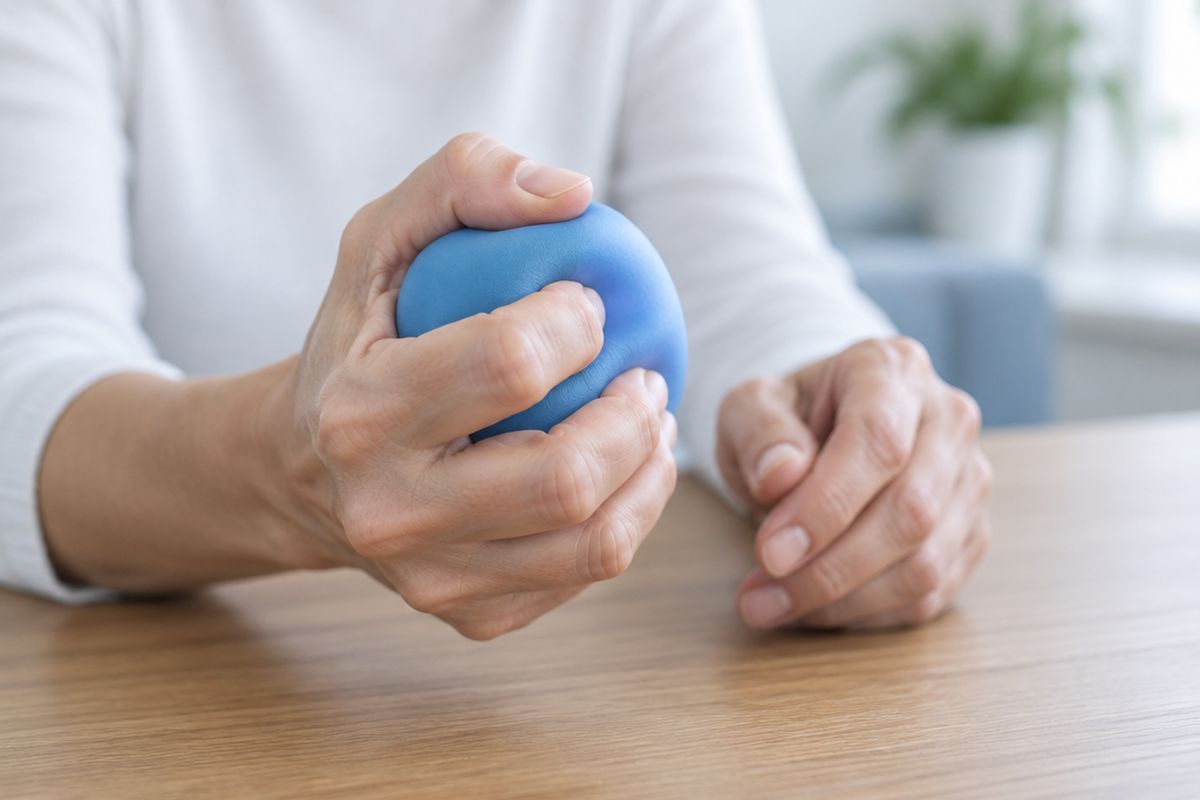
According to the WHO, about 18 million people were living with rheumatoid arthritis in 2019, around 70% of them women. It is an autoimmune condition that usually affects the hands, wrists, shoulders, elbows, knees and feet.
Signs worth showing your doctor: joints that have been swollen and painful for more than 6 weeks, and morning stiffness lasting more than 30 minutes.
It cannot be cured, but early diagnosis and treatment reduce symptoms and help prevent disability.
People with rheumatoid arthritis have a 1.5 to 2 times higher risk of heart disease, yet fewer than 14% are as active as recommended. World Physiotherapy calls exercise a key way to reduce disability.
A mix of mobility, strength, aerobic and balance exercise works best. Even if you can only manage 10 minutes at first, the important thing is to start.
It mainly affects the spine and pelvis and usually starts in the late teens or twenties. Typically, pain and stiffness are worse at night or after rest and better with movement.
World Physiotherapy recommends that people with axial spondyloarthritis are referred to a physiotherapist for a tailored programme: spinal mobility, stretching, posture, strength, breathing and aerobic exercise.
Yes. Even weight training and harder exercise are safe and useful for people with arthritis. Pain during exercise usually means your body is adapting, not that the joint is being damaged. Exercise can also reduce the tiredness the condition brings.
During a flare, adjust your exercise rather than stopping. A physiotherapist helps you find the balance between rest and activity.
This article gives general information and does not replace an examination by a doctor or physiotherapist. If you have symptoms, talk to your doctor or book an assessment.
Older age
Falls are the second leading cause of injury deaths. What the WHO and World Physiotherapy say about balance and strength exercise and home safety.

Older age
Frailty and muscle loss are not fate. What World Physiotherapy and the WHO say about strength training in older age.

Exercise
150 to 300 minutes a week and strength training twice. The World Health Organization's guidelines for adults and older adults, made simple.