
Joints
Inflammatory arthritis: the role of exercise
Exercise is safe and key in rheumatoid arthritis and axial spondyloarthritis. What World Physiotherapy and the WHO say.
Joints
Osteoarthritis is the most common type of arthritis and mostly affects the knee, hip and hands. The good news is that exercise helps almost everyone, at any age and any stage.
According to the WHO, about 528 million people had osteoarthritis in 2019, 113% more than in 1990. 73% are over 55 and 60% are women. The knee is the most affected joint, with 365 million people, followed by the hip and the hands.
Past joint injuries, age, extra weight, genes and being female. The two you can change most are injuries and weight.
World Physiotherapy notes that losing 5 kg, or 5% of body weight, is linked to a 90% lower chance of knee problems six years later.
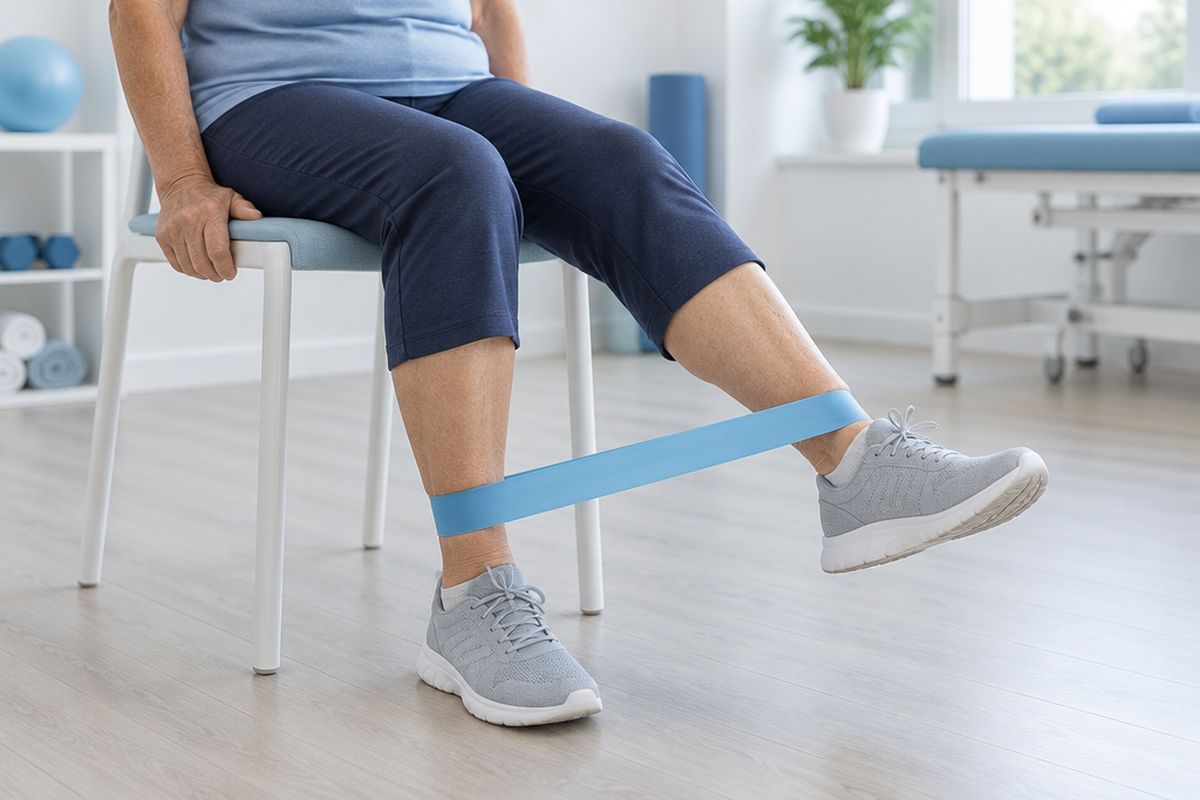
Exercise suits everyone with osteoarthritis, whatever their age or how severe it is. It reduces pain, improves function and can delay or prevent a joint replacement.
The WHO agrees: exercise and healthy eating, to build strong muscles and keep a healthy weight, can reduce symptoms and the risk of them getting worse.
A physiotherapist builds a strength and exercise plan for you, shows you how to adjust it when your joint is sore, and helps you before and after a joint replacement if you need one.
See how we treat it at the clinic: Knee pain
This article gives general information and does not replace an examination by a doctor or physiotherapist. If you have symptoms, talk to your doctor or book an assessment.
Joints
Exercise is safe and key in rheumatoid arthritis and axial spondyloarthritis. What World Physiotherapy and the WHO say.

Older age
Falls are the second leading cause of injury deaths. What the WHO and World Physiotherapy say about balance and strength exercise and home safety.

Older age
Frailty and muscle loss are not fate. What World Physiotherapy and the WHO say about strength training in older age.