
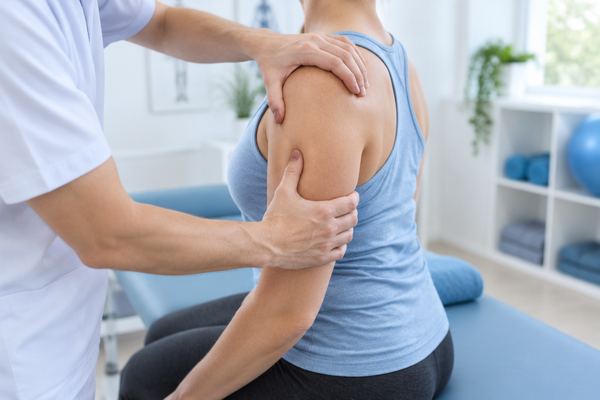
Physiotherapy in Cyprus
What physiotherapy is and who can practise it in Cyprus
What a physiotherapist does, how they train and how they register in Cyprus, according to the Cyprus Physiotherapy Association and World Physiotherapy.
Pregnancy
Many women worry about exercising while pregnant. The World Health Organization says that, without medical reasons not to, exercise is safe and good for both mother and baby.
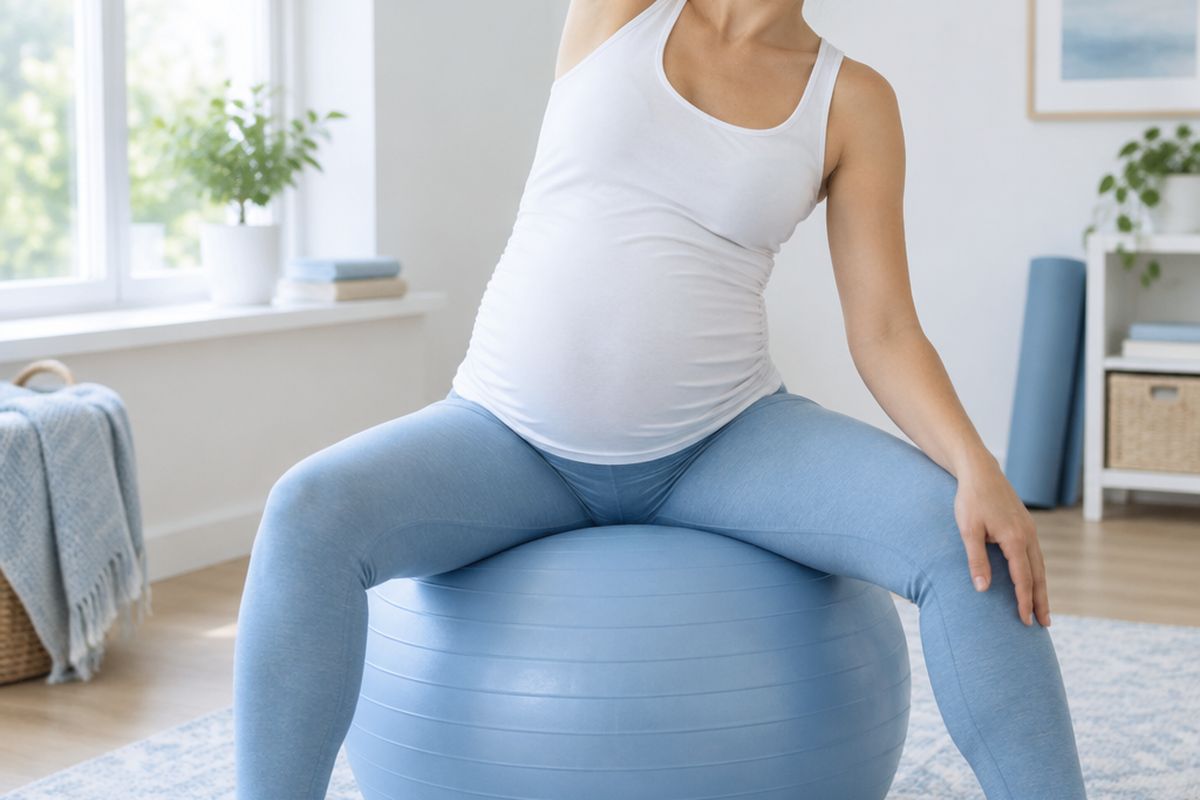
The 2020 guidelines apply to women without medical reasons to avoid exercise:
Women who exercised hard before pregnancy can carry on during pregnancy and after birth.
According to the WHO, exercise lowers the risk of pre-eclampsia, high blood pressure and diabetes in pregnancy, too much weight gain, delivery complications and postnatal depression. It does not harm the baby's birth weight.
The WHO says pelvic floor muscle exercises can be done every day to lower the risk of urinary incontinence. If you have incontinence after giving birth, talk to your doctor. Stress urinary incontinence is one of the diagnoses for which GeSY covers physiotherapy with a referral.
Your doctor or midwife should explain which signs mean you should stop straight away and get help.
This article gives general information and does not replace an examination by a doctor or physiotherapist. If you have symptoms, talk to your doctor or book an assessment.
Physiotherapy in Cyprus
What a physiotherapist does, how they train and how they register in Cyprus, according to the Cyprus Physiotherapy Association and World Physiotherapy.
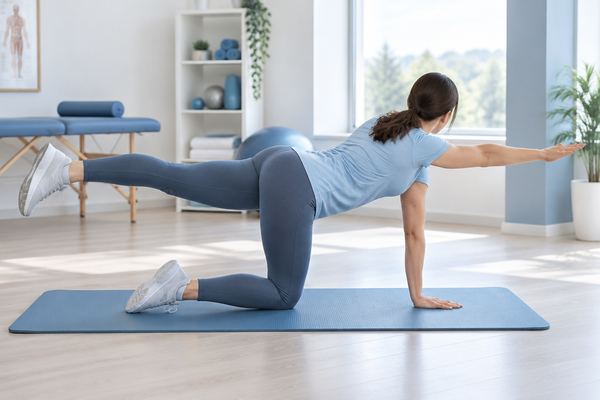
Back pain
The World Health Organization's 2023 guideline on chronic low back pain: what helps, what is not recommended, and why movement comes first.

Back pain
Do I need a scan? Should I rest in bed? Has my disc slipped? The most common myths about low back pain, based on World Physiotherapy.