
Older age
Strength after 60: frailty is not inevitable
Frailty and muscle loss are not fate. What World Physiotherapy and the WHO say about strength training in older age.
Older age
One fall can change an older person's life: a fracture, fear of leaving the house, loss of independence. Many falls can be prevented, and exercise is the strongest tool.

According to the WHO, about 842,000 people died from falls worldwide in 2023, and 71% were aged 60 or over. Falls are the second leading cause of unintentional injury deaths, after road injuries.
Even when they are not fatal, falls cause fractures, head injuries, loss of independence and the need for long-term care.
The WHO cites a review in which exercise reduced falls by about 23%. For older people living at home, it recommends exercise that challenges balance and builds functional strength. Tai Chi is another good option.
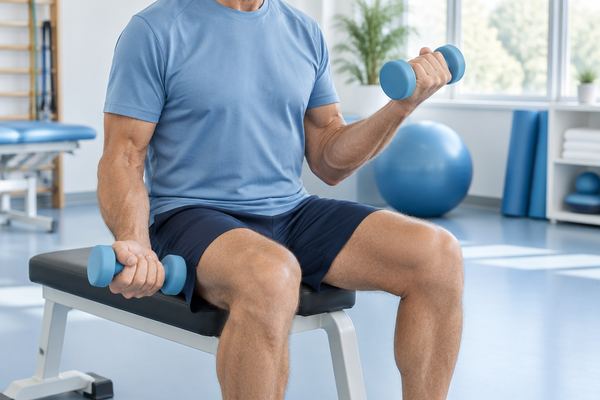
World Physiotherapy dedicated World Physiotherapy Day 2025 to healthy ageing and preventing frailty and falls. Examples of exercises it suggests:
Exercises should be challenging but safe, and get harder step by step.
The WHO reports that checking the home for hazards cut falls by 38% in older people at higher risk. Simple changes help: grab bars in the bathroom, securing rugs, better lighting and suitable shoes.
If you have fallen more than twice in the past year, were injured in a fall or cannot get up on your own, ask for an assessment. The WHO also suggests asking your doctor to review your medicines.
This article gives general information and does not replace an examination by a doctor or physiotherapist. If you have symptoms, talk to your doctor or book an assessment.
Older age
Frailty and muscle loss are not fate. What World Physiotherapy and the WHO say about strength training in older age.

Exercise
150 to 300 minutes a week and strength training twice. The World Health Organization's guidelines for adults and older adults, made simple.

Work
Musculoskeletal disorders are the most common work-related health problem in the EU. EU-OSHA figures and what workers and employers can do.