

GeSY
Physiotherapy with GeSY: referral, sessions and co-payment
How physiotherapy works under GeSY in Cyprus: who refers you, how many sessions each diagnosis covers and the co-payment, from official HIO documents.
Pain
Chronic pain affects about one in five people. To deal with it, it helps to understand what pain really is.

The International Association for the Study of Pain (IASP) defines pain as an unpleasant sensory and emotional experience associated with, or resembling that associated with, actual or potential tissue damage.
In the notes to the definition, the IASP explains:
According to the IASP, chronic pain affects about 20% of people worldwide and accounts for nearly one in five visits to a doctor.
The IASP says being inactive is a risk factor for chronic pain, and that people who exercise regularly report less pain and are less likely to develop chronic pain.
Exercise is recommended as a front-line treatment for chronic pain. It improves pain, function, mood and quality of life in conditions such as osteoarthritis, low back pain and fibromyalgia.
A short, mild increase in pain after exercise is expected, especially at the start. It does not mean you are causing harm. Adjust the plan rather than stopping. Even a little activity helps, and the right type and amount differ from person to person.
The IASP advises some professional guidance for therapeutic exercise, for example from a physiotherapist who adjusts it as you progress.
This article gives general information and does not replace an examination by a doctor or physiotherapist. If you have symptoms, talk to your doctor or book an assessment.
GeSY
How physiotherapy works under GeSY in Cyprus: who refers you, how many sessions each diagnosis covers and the co-payment, from official HIO documents.
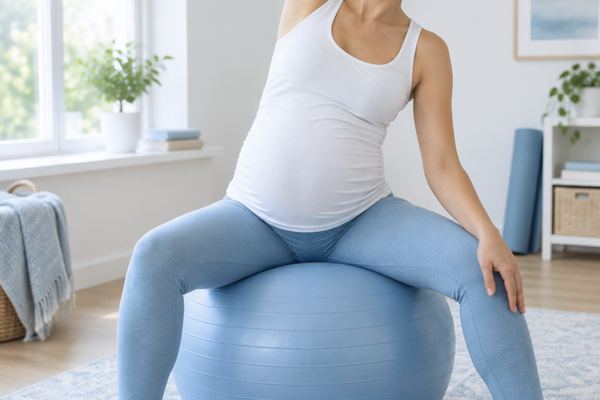
Pregnancy
150 minutes a week, pelvic floor exercises and what to avoid. The World Health Organization's guidelines on exercise during pregnancy and after birth.
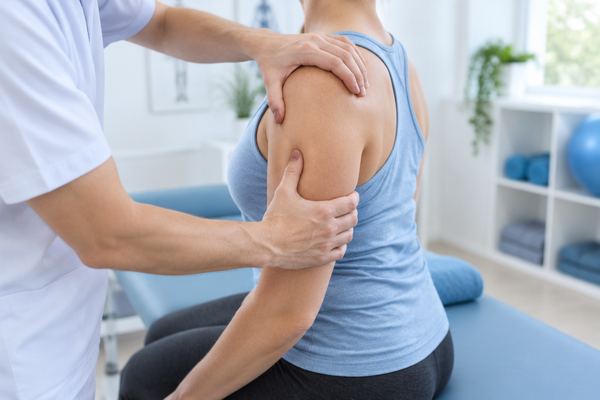
Physiotherapy in Cyprus
What a physiotherapist does, how they train and how they register in Cyprus, according to the Cyprus Physiotherapy Association and World Physiotherapy.